Source washed eco friendly denim skirt for fashion, casual, and vintage styles
Explore 27 listings of washed eco friendly denim skirt options featuring varying weights, waist shapes, and customization services. Buyers can compare attributes like fabric composition, GSM, and lead times to find suitable suppliers for bulk orders.
Key considerations
Products List







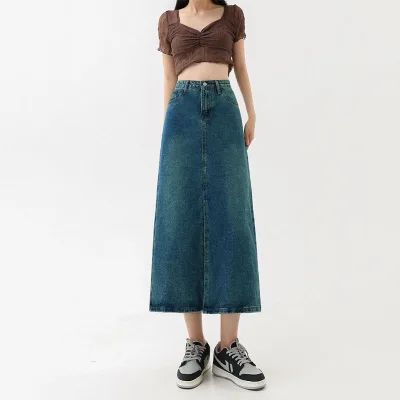
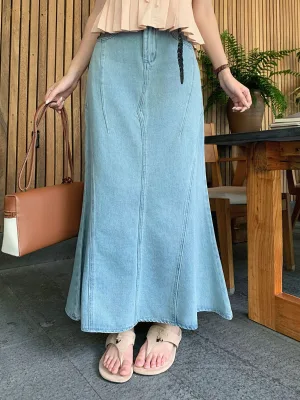
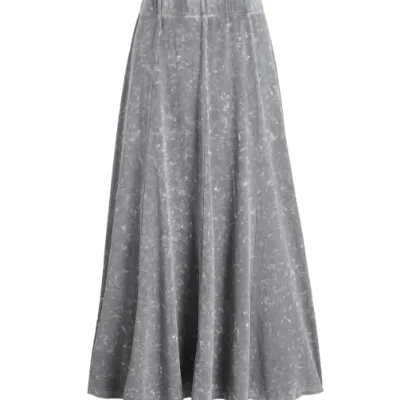
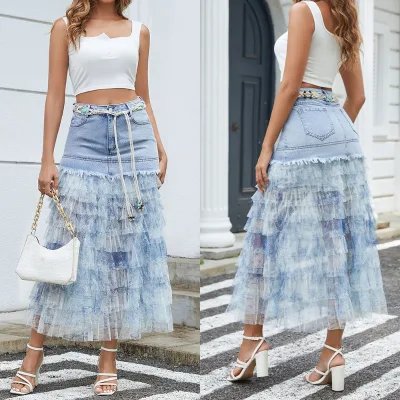
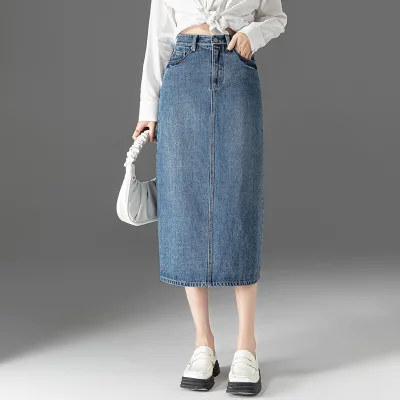
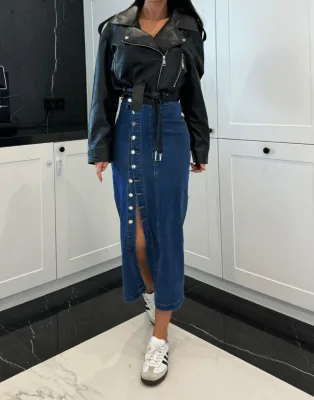
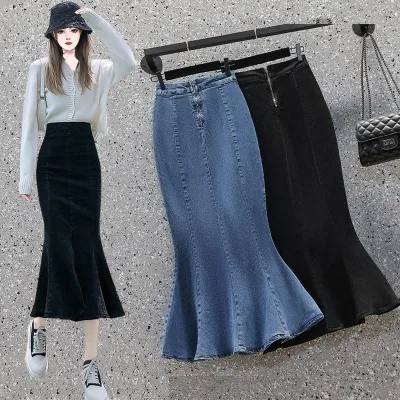
Comprehensive Sourcing Guide
Strategic Sourcing Guide for Washed Eco-Friendly Denim Skirts
Understanding Product Specifications and Material Composition
When sourcing a washed eco-friendly denim skirt, the primary objective is to align the product's physical attributes with specific sustainability and durability requirements. Based on the available market data, the core material composition for these garments typically involves a blend of cotton and spandex, or in some instances, 100% cotton. The presence of spandex is critical for providing the necessary stretch and fit, particularly for styles described as "skinny" or "asymmetric." The fabric weight is a significant indicator of quality and seasonality; observed specifications range from 210 GSM to 350 GSM. A weight of 350 GSM suggests a heavier, more durable denim suitable for cooler seasons or structured designs, while 210 GSM indicates a lighter fabric appropriate for spring, autumn, or summer applications.
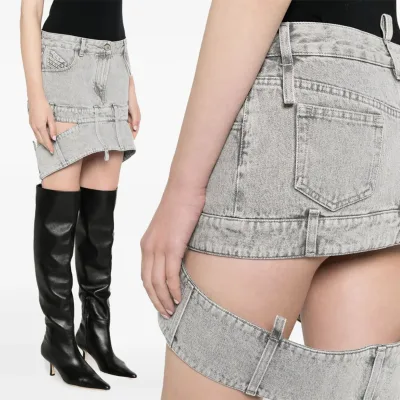
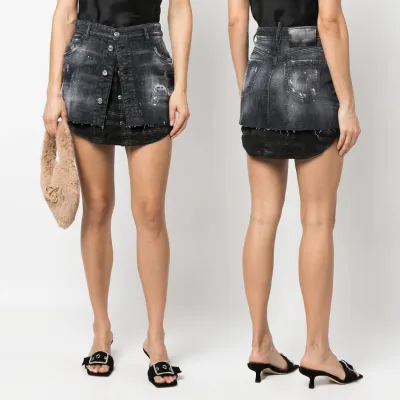
The washing process is a defining characteristic of this product category. The "washed" attribute implies a post-production treatment that softens the fabric, reduces shrinkage, and creates a specific aesthetic, often described as vintage or simple. The supply data indicates that "washed" is a standard technical method applied to these skirts. Buyers must verify the specific washing technique used, as this impacts the environmental footprint. While the term "eco-friendly" is often used in marketing, the actual verification relies on the chemical usage during the wash and the water treatment processes employed by the manufacturer. The observed styles include variations such as frayed denim skirts, full skirts, and medium or high-waist designs, all of which require precise pattern cutting and sewing techniques to maintain the integrity of the denim weave.
Technical Standards and Compliance Verification
Compliance in the textile industry is multifaceted, involving safety standards, environmental regulations, and quality benchmarks. For a product labeled as eco-friendly, buyers must scrutinize the certifications that validate these claims. While specific certification data in the provided context is limited, the mention of OEKO-TEX as a background standard highlights the importance of verifying such certifications. OEKO-TEX Standard 100 is a widely recognized benchmark that tests for harmful substances in textiles, ensuring the final product is safe for human skin. Buyers should request valid certificates for their specific production batches, as these are not automatic but must be actively verified.
Beyond chemical safety, physical standards are equally critical. The supply data references specific packing dimensions, such as 583630 cm, which serves as a logistical standard for shipping and storage efficiency. Additionally, size standards are explicitly defined, ranging from XS to XXL, with specific size charts including XS, S, M, L, and XL. When evaluating a supplier, the buyer must ensure that their size grading aligns with these standard measurements to avoid fit issues in the target market. The "production standard" also encompasses the consistency of the wash. Since the "washed" attribute is a key feature, the supplier must demonstrate a consistent ability to replicate the wash across large bulk orders, ensuring that the color and texture remain uniform from the first piece to the last.
Cost Drivers and Pricing Dynamics
The pricing of washed eco-friendly denim skirts is influenced by several variable factors, primarily material costs, labor intensity, and the complexity of the washing process. The observed price range in the market spans from 1.30 USD to 20.57 USD, a significant variance that reflects differences in quality, brand positioning, and order volume. Lower-priced items in this range often correspond to basic cotton/spandex blends with standard washing processes and lower GSM weights. Conversely, the higher end of the price spectrum likely accounts for 100% cotton fabrics, heavier GSM weights (such as 350 GSM), and more complex washing techniques that require additional water treatment and chemical management to meet eco-friendly criteria.
Minimum Order Quantity (MOQ) is another critical cost driver. The data indicates an MOQ range of 10 to 500 pieces, with a specific observation of 100 PCS for certain listings. Suppliers with lower MOQs may charge a premium per unit due to the setup costs associated with smaller production runs. For buyers seeking to minimize unit costs, negotiating a higher volume order is essential. The "supply type" is noted as OEM service, which implies that customization costs will be factored into the final price. Customization options, such as logo placement on the waist, left leg, or right leg, add to the production complexity and cost. Buyers should request a detailed cost breakdown that separates material, labor, washing, and customization fees to understand the true cost drivers behind the quoted price.
Supplier Evaluation and Production Capabilities
Evaluating a supplier for washed eco-friendly denim skirts requires a deep dive into their manufacturing capabilities and operational transparency. The supply data indicates that production origins are primarily located in China, with specific mentions of Guangdong as a key manufacturing hub. Guangdong is known for its mature textile industry, but buyers must verify the specific factory's capacity to handle eco-friendly processes. This includes assessing their water recycling systems, chemical management protocols, and energy efficiency measures. A supplier claiming "eco-friendly" status must be able to provide evidence of their environmental management systems, not just a verbal assurance.
Lead times are a crucial metric for supplier evaluation. The observed bulk lead time ranges from 20 to 30 days, with sample times typically taking 7 to 15 days. Some suppliers offer a 7-day sample order lead time, which is advantageous for buyers needing to expedite the design and approval process. However, buyers must distinguish between sample lead times and bulk production lead times, as the latter can be extended by the complexity of the washing process. The "washing" attribute, specifically the "dark" wash mentioned in the data, may require additional processing time to ensure color fastness and consistency. Suppliers should be evaluated on their ability to meet these timelines consistently, as delays in the washing stage can ripple through the entire supply chain, affecting delivery schedules.
Quality Control and Inspection Protocols
Quality control (QC) is paramount when sourcing denim skirts, particularly those with specific wash finishes. The "washed" process introduces variables that can lead to inconsistencies in color, texture, and fit. Buyers must implement a rigorous QC protocol that includes pre-production, in-line, and pre-shipment inspections. Pre-production inspections should focus on the raw materials, ensuring that the cotton/spandex blend or 100% cotton meets the specified GSM and fiber quality. In-line inspections are critical during the washing process to monitor the chemical concentrations and water temperatures, ensuring the wash achieves the desired vintage or simple aesthetic without damaging the fabric.
Pre-shipment inspections should verify the final product against the agreed-upon specifications. This includes checking the "style" attributes, such as the "frayed" edges, "button" decorations, and "pocket" placements. The data mentions specific features like "asymmetric" styles and "sexy, casual" fits, which require precise sewing and finishing. Buyers should also inspect the packaging, as the data indicates various packing methods, including single packs, polybags, and cartons. Proper packaging is essential to prevent damage during transit, especially for items with frayed edges or delicate wash finishes. The "weight" of the product, observed at 210GSM, should be verified to ensure it matches the contract specifications, as weight discrepancies can indicate material substitution or quality issues.
Long-Term Procurement and Sustainability Considerations
Sourcing washed eco-friendly denim skirts is not merely a transactional activity but a strategic partnership that requires long-term planning. The "eco-friendly" label implies a commitment to sustainability that must be maintained over time. Buyers should establish a long-term relationship with suppliers who are willing to invest in sustainable technologies and processes. This includes exploring options for waterless dyeing, enzyme washing, or other innovative techniques that reduce the environmental impact of the washing process. The "supply type" being OEM service allows for continuous improvement and customization, enabling buyers to adapt their product lines to changing market demands and sustainability trends.
Furthermore, buyers should consider the lifecycle of the product. The "season" attributes, ranging from spring/autumn to summer, suggest that the product line may need to be diversified to meet seasonal demand. A supplier with the capacity to produce both lightweight and heavyweight denim can offer greater flexibility. The "customization" availability is a key factor in long-term procurement, as it allows buyers to differentiate their products through unique designs, logos, and finishes. By maintaining a close relationship with the supplier, buyers can ensure that the "washed" finish remains consistent and that the "eco-friendly" claims are backed by verifiable data. This approach not only mitigates risk but also enhances the brand's reputation for sustainability and quality in the competitive B2B market.
Comparative Analysis of Product Attributes
To facilitate decision-making, the following table summarizes the key product attributes observed in the market for washed eco-friendly denim skirts. This comparison highlights the variability in specifications that buyers must navigate during the sourcing process.
| Attribute Category | Observed Variations | Sourcing Implication |
|---|---|---|
| Material Composition | Cotton/Spandex, 100% Cotton | Verify fiber content for stretch vs. rigidity needs. |
| Fabric Weight | 210 GSM, 350 GSM | 350 GSM for durability/winter; 210 GSM for summer/lightweight. |
| Wash Finish | Dark, Vintage, Simple, Frayed | Define specific aesthetic requirements to avoid color variance. |
| Style Design | Asymmetric, Full, Medium/High Waist | Ensure pattern grading matches target demographic fit. |
| MOQ Range | 10 to 500 PCS | Lower MOQ increases unit cost; negotiate for volume discounts. |
| Lead Time | 7-15 Days (Sample), 20-30 Days (Bulk) | Plan inventory cycles around these production windows. |
| Origin | China, Guangdong | Assess logistics costs and potential trade barriers. |
| Packing | Single Pack, Polybag, Carton | Select packaging that minimizes damage and maximizes space. |
This comparative analysis underscores the need for precise specification definition. Buyers cannot rely on generic descriptions; they must explicitly state their requirements for material, weight, wash, and style to ensure the final product meets their expectations. By adhering to these detailed specifications and maintaining a rigorous evaluation process, buyers can successfully source high-quality, eco-friendly denim skirts that align with their brand values and market demands.
FAQs
What materials are used for washed eco friendly denim skirts?
These skirts typically use cotton/spandex blends or 100% cotton materials. The fabric weight varies from 210 GSM for lighter spring styles to 350 GSM for heavier winter designs, ensuring durability and comfort.
Can I customize the logo position on these denim skirts?
Yes, customization is available with logo placement options on the waist, left leg, or right leg. Buyers should verify specific OEM service capabilities with the manufacturer to ensure precise execution.
What is the typical lead time for bulk orders of denim skirts?
Bulk lead times generally range from 20 to 30 days for production. Sample orders can be completed in 7 to 15 days, with some suppliers offering expedited 7-day sample services.
Which MOQ values apply to sourcing these washed denim skirts?
Minimum Order Quantities range from 10 to 500 pieces, with a common observation of 100 pieces. Lower MOQs may incur higher unit costs due to setup fees for smaller production runs.
How does fabric weight affect the seasonality of these skirts?
Fabric weight determines seasonal suitability, with 210 GSM ideal for spring, autumn, or summer. Heavier 350 GSM denim is better suited for cooler seasons or structured designs requiring more durability.
What washing techniques are standard for these eco friendly skirts?
Standard techniques include washed finishes to create vintage or simple aesthetics, often with dark wash options. The process softens fabric and reduces shrinkage while maintaining the denim weave integrity.